
Specifications



A17
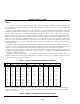
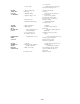
HP 115V 230V 115V 230V 115V 230V 115V 230V 115V 230V
1/8 14(16)
*
14(18)
*
14 14(18)* 10 14(16)
*
10 14(16)
*
8 14
1/6 14 14(18)
*
12 14(18)* 10 14(16)
*
8 14 6 12
1/4 14 14(18)
*
12 14(18)* 8 14 6 12 6 12
1/3 14 14(18)
*
10 14(16)* 8 14 6 12 4 10
1/2 14 14(18)
*
10 14(16)* 8 14 6 12 4 10
3/4 12 14(18)
*
8 14 6 12 4 10 3 8
1 10 14(16)
*
8 14 4 10 4 8 2 8
1½ 10 14(16)
*
6 12 4 10 2 8 1 6
2 8 14 6 12 3 8 2 6 1/0 6
3 8 10 4 10 2 8 1/0 6 2/0 4
[*] Type S, SO, SJ, SJO, etc. flexible cable wire sizes. See NEC Article 400 for ampacity.
Note: Above wire sizes based on approximate 5% voltage drop during starting; copper conductors; and 75°C type TH, THW, RH, RHW, etc.
insulation. For aluminum wire, increase two wire size steps minimum. See NEC Article 310 for ampacities of aluminum conductors and 60°C
type RUW, T, etc. insulation.
MOTOR TROUBLE GUIDE
The purpose of this guide is to suggest common answers to electrical problems. The information is not all-inclusive and does not necessarily
apply in all cases. When unusual operating conditions, repetitive failures, or other problems occur, consult an electric motor service firm for
assistance.
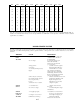
TROUBLE CAUSE WHAT TO DO
MOTOR 1. Blown Fuses. 1. Replace with time-delay fuses
FAILS or circuit breakers. Check for
TO START grounded winding.
2. Low voltage. 2. Use higher voltage tap on
transformer terminals,
increase wire size. Check for
poor connections.
3. Improper line 3. Check connections against
connections. diagram supplied with motor.
4. Overload (thermal protector) 4. Check and reset overload
tripped. relay in starter. Check heater
rating against motor nameplate
current rating. Check motor load.
If motor has manual reset thermal
protector, check if tripped.
5. Motor may be overloaded. 5. Reduce load. Increase motor size.
6. If permanent split capacitor 6. Indicated by humming sound.
motor, capacitor may Replace run capacitor. See
be open. nameplate for correct value.
7. Defective motor or starter. 7. Repair or replace.
MOTOR 1. Overloaded motor. 1. Reduce load or increase
STALLS motor size.
2. Low motor voltage. 2. See that nameplate voltage
is maintained.
MOTOR 1. Not applied properly. 1. Consult motor service firm for
DOES NOT proper type. Use larger motor.
COME UP 2. Voltage too low at motor 2. Use higher voltage tap on
TO SPEED terminals due to line drop. transformer terminals,
increase wire size. Check for