User manual


or could be engineered to fill the display panel space more to
make better use of thatspace.
Other than that, there wasn’t any other main limitation with this
particular set for itsclass.
Conclusion
Although there is the limitation with the set working on asmall
buffer and being more prone to “start-stop” behaviour with
Internet radio, it can work well as atabletop radio /network
media player for an office, waiting room, small shop or kitchen.
Iwouldn’t recommend this set for use in aworkshop or similar
location because of the glossy finish being more susceptible to
damage that occurs in thoseareas.
Links
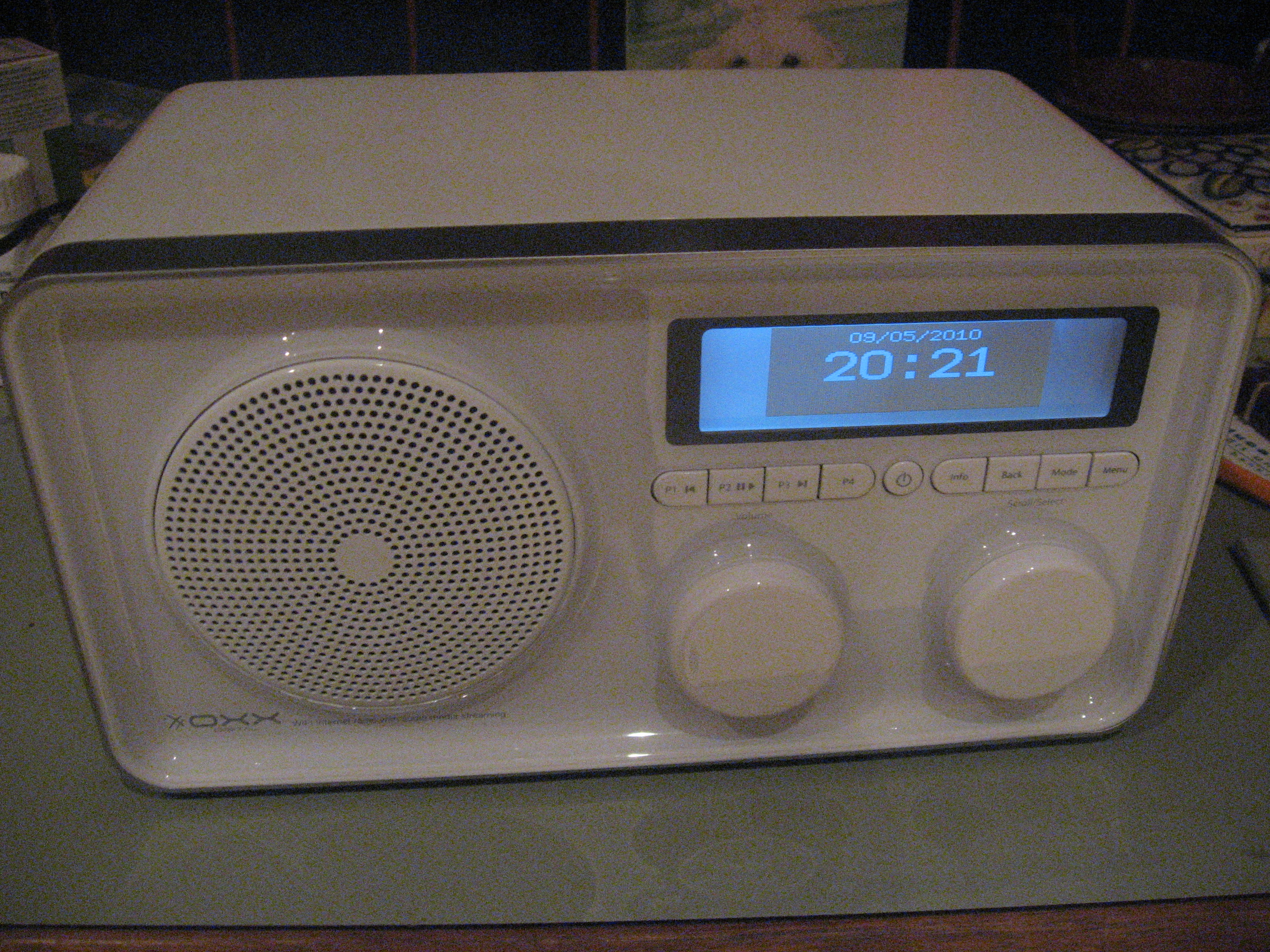
[1]
http://homenetworking01.info/wp-content/uploads/2010/05/2010–
05-09–015.jpg#utm_source=feed&utm_medium=feed&utm_cam
paign=feed
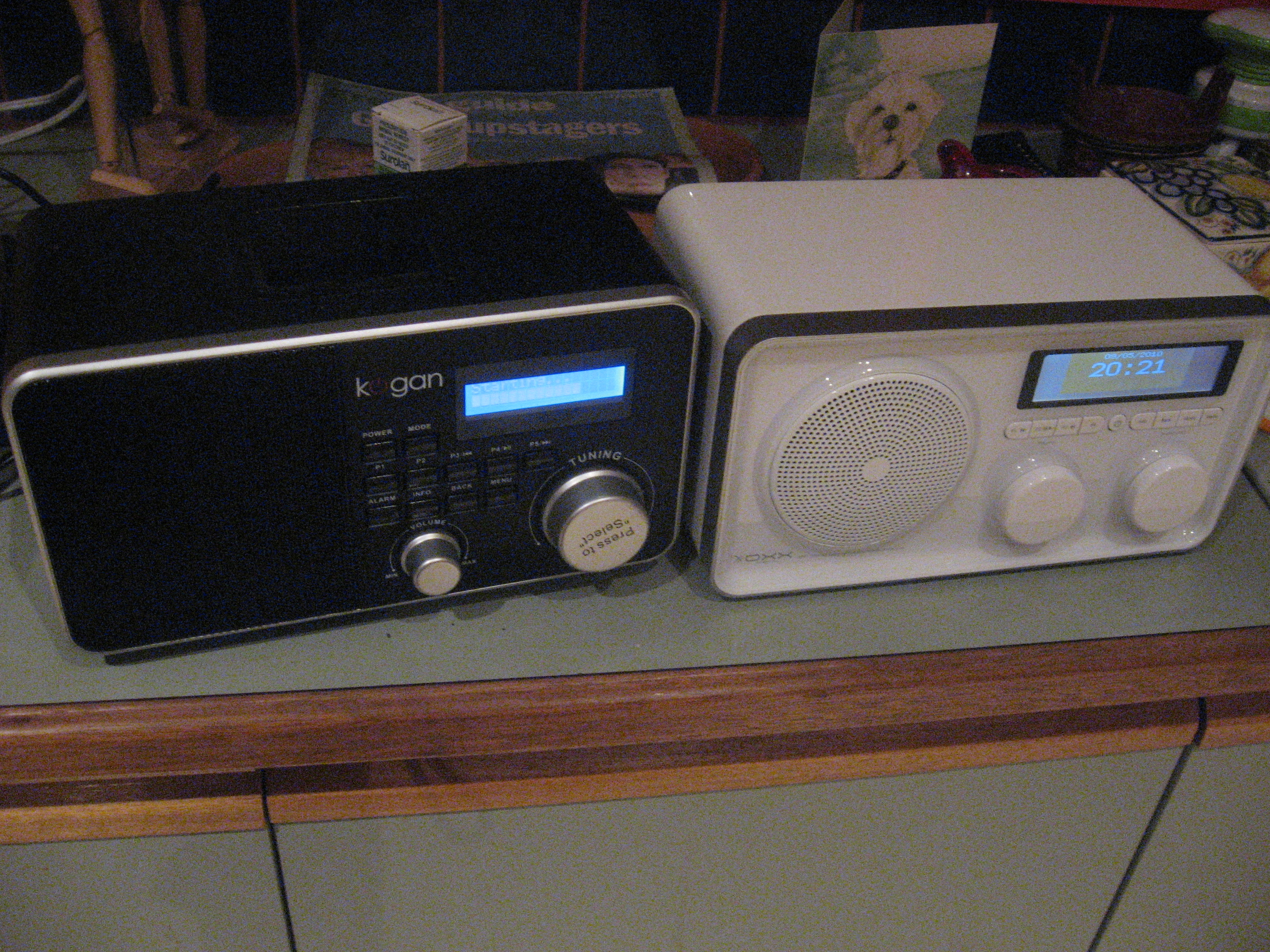
[2]
/2009/11/product-review-kogan-wi-fi-internet-table-radio-with-ipo
d-dock-frontier-internet-radio-platform/#utm_source=feed&utm_
medium=feed&utm_campaign=feed
[3]
http://homenetworking01.info/wp-content/uploads/2010/05/2010–
05-09–016.jpg#utm_source=feed&utm_medium=feed&utm_cam
paign=feed
[4] http://www.wifiradio-frontier.com
[5]
http://homenetworking01.info/wp-content/uploads/2010/05/2010–
05-09–017.jpg#utm_source=feed&utm_medium=feed&utm_cam
paign=feed
DLNA now one of the
hallmarks of
astandards-based mobile
phone
07/05/2010 07:17
News article – from the horse’s mouth
Mobile Handset Manufacturers Attain DLNA Certified® Status –
DLNA[1]
My comments
From this press release, Ihad noticed that the mobile-handset
brands that have been considered of high value had also added
DLNA, whether as acontrol point, media player /renderer or
media server, to their feature lineup. This will mean that they
will work with aDLNA-based home media network in aproper
way, whether to play music or exhibit photos and videos existing
on the phone on home AV equipment or become remote controls
for home AV equipment.
These companies have also moved towards other
standards-based activities like adopting OMTP standards such as
use of amicroUSB connector for power and data as well as
a3.5mm four-conductor jack for wired headsets. Most of these
phones also operate their Bluetooth functionality in apurely
standards-based way that will work, such as proper “object push”
between phones. The different phones may work to aSymbian
S60 or UIQ operating system, or the Android operation system or
an inhouse operating system like Bada, but they work with other
devices on alevel playing field.
Compare this with Apple where the iPhone, considered to be the
“coolest phone in town”, doesn’t work with other phones or
peripherals unless you pay big money for “apps” or
Apple-approved peripherals; or work out various “kludges” to
achieve compatibility.
It will be interesting to see whether the smartphone market
moves towards standards-based compatibility (use of OMTP
standards like microUSB, proper Bluetooth behaviour, DLNA) or
stay with what looks “cool” and move towards an ecosystem
defined byApple.
For me, Iwould certainly stick towards standards-based
operation like DLNA if Iwas choosing asmartphone when Ihave
an opportunity to upgrade myphone.
Links
[1]
http://www.dlna.org/news/pr/view?item_key=53bf9cece92c6d454
d0572c5375b0d87d5f2a958
19