
Operating instructions
Dayton Operating Instructions and Parts Manual
4
Dayton Propane
Construction Heater
®
4E236C
Propane gas and propane tank(s) are
to be furnished by the user.
Use this heater only with a propane
vapor withdrawal supply system. See
Chapter 5 of the Standard for Storage
and Handling of Liquefied Petroleum
Gas, ANSI/NFPA 58. Your local library or
fire department will have this booklet.
The amount of propane gas ready for
use from propane tanks varies. Two
factors determine this amount:
1. The amount of propane gas in tank(s)
2. The temperature of tank(s)
The chart below shows the number of
100-pound tanks needed to run this
heater. Do not operate this product
with any tank smaller than 100
pounds.
Propane Supply
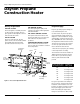
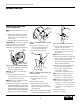
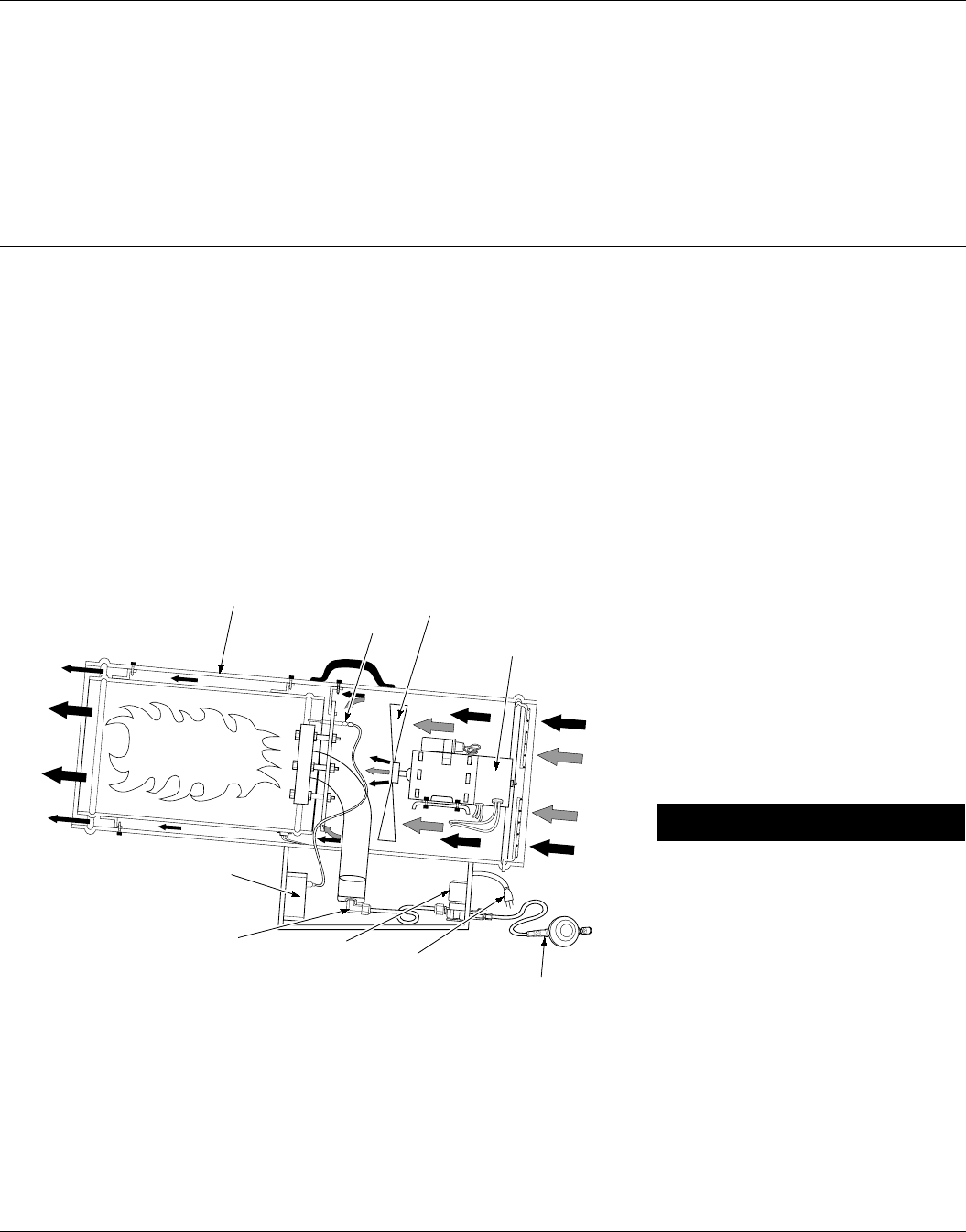
Figure 3 - Cross Section Operational View
Average Temperature Number of
(ºF) at Tank Location 100 lb. Tanks
40° 3
32° Use larger tank
20° Use larger tank
10° Use larger tank
0° Use larger tank
-10° Use larger tank
-20° Use larger tank
Less gas is vaporized as the tempera-
ture goes down. A larger tank may be
needed in colder weather. Your local
propane gas dealer will help you select
the proper supply system. The mini-
mum surrounding air temperature
rating for each heater is -20°F (-29°C).
Theory of Operation
THE FUEL SYSTEM
The hose/regulator assembly attaches
to the propane gas supply. The pro-
pane gas moves through the solenoid
valve and out the nozzle.
THE AIR SYSTEM
The motor turns the fan. The fan
pushes air into and around the combus-
tion chamber. This air is heated and
provides a stream of clean, hot air.
Clean
Heated Air
Out (Front)
Cool Air
In (Back)
Combustion
Chamber
Motor
Fan
Ignitor
Hose/Regulator
Assembly
Power
Cord
Solenoid
Valve
DSI
Nozzle
THE IGNITION SYSTEM
The direct spark ignitor (DSI) sends
voltage to the ignitor, which ignites the
fuel and air mixture.
THE SAFETY CONTROL SYSTEM
This system causes the heater to shut
down if the flame goes out. The motor
will continue to run, but no heat is
produced.
TEMPERATURE CONTROL SYSTEM
Built-in thermostat allows heater to
cycle on and off to maintain consistent
area temperature.