
Instruction manual






7
EXTENSION CORDS
Use proper extension cords. Make sure
your extension cord is in good condition and is a 3-
wire extension cord which has a 3-prong grounding
type plug and matching receptacle which will accept
the machine’s plug. When using an extension cord, be
sure to use one heavy enough to carry the current of the
machine. An undersized cord will cause a drop in line
voltage, resulting in loss of power and overheating. Fig.
D-1 shows the correct gauge to use depending on the
cord length. If in doubt, use the next heavier gauge. The
smaller the gauge number, the heavier the cord.
Fig. D-1
MINIMUM GAUGE EXTENSION CORD
RECOMMENDED SIZES FOR USE WITH STATIONARY ELECTRIC MACHINES
Ampere
Rating Volts
Total
Length of
Cord in
Feet
Gauge of Extension
Cord
0-6 120
up to
25 18 AWG
0-6 120 25-50 16 AWG
0-6 120 50-100 16 AWG
0-6 120 100-150 14 AWG
6-10 120
up to
25 18 AWG
6-10 120 25-50 16 AWG
6-10 120 50-100 14 AWG
6-10 120 100-150 12 AWG
10-12 120
up to
25 16 AWG
10-12 120 25-50 16 AWG
10-12 120 50-100 14 AWG
10-12 120 100-150 12 AWG
12-16 120
up to
25 14 AWG
12-16 120 25-50 12 AWG
12-16 120
GREATER THAN 50 FEET NOT RECOMMENDED
FUNCTIONAL DESCRIPTION
NOTICE: The photo on the manual cover illustrates the current production model. All other illustrations contained in the
manual are representative only and may not depict the actual labeling or accessories included. These are are intended
to illustrate technique only.
FOREWORD
The Delta ShopMaster Model TS350 is a 10" Table Saw designed to give high quality performance with depth-of-cut
capacity up to 2-7/16" (62mm) at 90° for clean cutting of standard stock sizes. This tool includes the basic machine,
a sturdy steel stand, a T-Square fence system, a T-Slot miter gauge, a 10 amp motor, a cast-iron table with extension
wings (22-1/4" x 38-1/2"), a see-thru blade guard with anti-kickback fingers, convenient up-front blade adjusting
controls, and a 10" carbide blade.
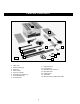
Carefully unpack the machine and all loose items from the shipping container(s). Remove the protective coating from
all unpainted surfaces. This coating may be removed with a soft cloth moistened with kerosene (do not use acetone,
gasoline or lacquer thinner for this purpose). After cleaning, cover the unpainted surfaces with a good quality household
floor paste wax.
UNPACKING AND CLEANING