
IPv6 Configuration Guide K/KA/KB.15.15
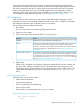
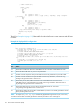
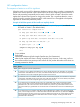
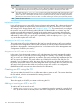
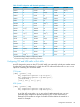
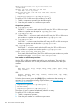

Table 12 DSCP codepoints with decimal equivalents (continued)
DecimalDSCP bitsDecimalDSCP bitsDecimalDSCP bits
46 (7
1
)101110250110013000011
4710111126 (4
2
)0110104000100
48110000270110115000101
4911000128 (4
2
)0111006000110
50110010290111017000111
5111001130 (5
2
)0111108001000
52110100310111119001001
531101013210000010 (1
2
)001010
541101103310000111001011
5511011134 (6
2
)10001012 (1
2
)001100
561110003510001113001101
5711100136 (6
2
)10010014 (2
2
)001110
581110103710010115001111
5911101138 (7
2
)10011016010000
601111003910011117010001
611111014010100018 (0
2
)010010
621111104110100119010011
631111114110101020 (0
2
)010100
1
Expedited forwarding codepoint configured by default.
2
Assured forwarding codepoint and 802.1p precedence.
Configuring TCP and UDP traffic in IPv6 ACLs
An ACE designed to permit or deny TCP or UDP traffic can optionally include port number criteria
for either the source, the destination, or both. Use of TCP criteria also allows the established
option for controlling TCP connection traffic.
TCP Syntax:
[ deny | permit ] tcp
SA [ comparison-operator tcp-src-port ]
DA [ comparison-operator tcp-dest-port ]
[ established ]
[ ack ] [ fin ] [ rst ] [ syn ]
UDP Syntax:
[ deny | permit ] udp
SA [ comparison-operator udp-src-port ]
DA [ comparison-operator udp-dest-port ]
In an IPv6 ACL using either tcp or udp as the IP packet protocol type, you can
optionally apply comparison operators specifying TCP or UDP source and/or
destination port numbers or ranges of numbers to further define the criteria for a
match. For example:
Configuration Commands 119