
Advanced Traffic Management Guide K/KA/KB.15.15
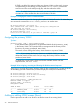
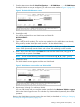

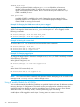

Figure 5 VLAN menu screen indicating the need to reboot the switch
• If you changed the VLAN Support option, you must reboot the switch before the maximum
VLANs change takes effect. You can go on to configure other VLAN parameters first, but
you must reboot the switch when you finish.
• If you did not change the VLAN Support option, a reboot is not necessary.
4. Press 0 to return to the Main Menu.
Creating a new static VLAN (port-based or protocol-based)
The vlan vid command operates in the global configuration context to configure a static VLAN
and/or take the CLI to a specified VLAN's context.
Syntax:
vlan vid | ascii-name-string
[no] vlan vid
If vid does not exist in the switch, this command creates a port-based VLAN with
the specified vid
If the command does not include options, the CLI, moves to the newly created VLAN
context.
If an optional name is not specified, the switch assigns a name in the default format
VLAN n, where n is the vid assigned to the VLAN.
If the VLAN already exists and you enter either the vid or the
ascii-name-string,the CLI moves to the specified VLAN's context.
The no form of the command deletes the VLAN as follows:
If one or more ports belong only to the VLAN to be deleted, the CLI notifies you
that these ports will be moved to the default VLAN, and prompts you to continue
the deletion. For member ports that also belong to another VLAN, there is no move
prompt.
protocol [ ipx|ipv4|ipv6|arp|appletalk|sna|netbeui ]
Configures a static, protocol VLAN of the specified type.
If multiple protocols are configured in the VLAN, the no form removes the specified
protocol
If a protocol VLAN is configured with only one protocol type and you use the no
form of this command to remove that protocol, the switch changes the protocol
VLAN to a port-based VLAN (if the VLAN does not have an untagged member port).
If an untagged member port exists on the protocol VLAN, you must either convert
the port to a tagged member or remove the port from the VLAN before removing
the last protocol type from the VLAN.
Creating a new static VLAN (port-based or protocol-based) 27