
Advanced Traffic Management Guide K/KA/KB.15.15
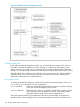


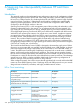


Figure 91 Traffic class-based configuration model
Creating a traffic class
In the traffic class-based configuration model, you use match criteria to create a class of IPv4 or
IPv6 traffic and select the packets you want to manage. In a traffic class configuration, match
criteria consist of match and ignore commands. These commands determine the packets that
belong to a class. (Match/ignore criteria are modelled on the permit/deny criteria used in ACLs.)
The traffic classes you configure can be used later in the service policies you create for different
software features, such as QoS and port mirroring. The match criteria used in match/ignore
statements are the same across software features.
Using match criteria
To identify the packets that belong to a traffic class for further processing by policy actions, use
match and ignore commands in a class configuration:
match commands Define the values that header fields must contain for a packet to belong
to the class and be managed by policy actions.
ignore commands Define the values which, if contained in header fields, exclude a packet
from the policy actions configured for the class. An ignored packet is
transmitted without having a policy action performed on it.
The switch compares match/ignore statements to the values in packet fields. It compares the
specified criteria in the sequential order in which the statements are entered in the class, until a
372 Classifier-based software configuration