
R21xx-HP FlexFabric 11900 IP Multicast Configuration Guide
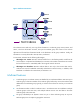

Table Of Contents
- Title Page
- Contents
- Multicast overview
- Configuring IGMP snooping
- Overview
- IGMP snooping configuration task list
- Configuring basic IGMP snooping functions
- Configuring IGMP snooping port functions
- Configuring IGMP snooping policies
- Displaying and maintaining IGMP snooping
- IGMP snooping configuration examples
- Troubleshooting IGMP snooping
- Configuring multicast routing and forwarding
- Configuring IGMP
- Configuring PIM
- Overview
- Configuring PIM-DM
- Configuring PIM-SM
- Configuring common PIM features
- Displaying and maintaining PIM
- PIM configuration examples
- Troubleshooting PIM
- Configuring MLD snooping
- Overview
- MLD snooping configuration task list
- Configuring basic MLD snooping functions
- Configuring MLD snooping port functions
- Configuring MLD snooping policies
- Displaying and maintaining MLD snooping
- MLD snooping configuration examples
- Troubleshooting MLD snooping
- Configuring IPv6 multicast routing and forwarding
- Configuring MLD
- Configuring IPv6 PIM
- PIM overview
- Configuring IPv6 PIM-DM
- Configuring IPv6 PIM-SM
- Configuring common IPv6 PIM features
- Displaying and maintaining IPv6 PIM
- IPv6 PIM configuration examples
- Troubleshooting IPv6 PIM
- Support and other resources
- Index
6
• Where is the multicast source that will provide data to the receivers? (Multicast source discovery.)
• How should information be transmitted to the receivers? (Multicast routing.)
IP multicast is an end-to-end service. The multicast architecture involves the following parts:
• Addressing mechanism—A multicast source sends information to a group of receivers through a
multicast address.
• Host registration—Receiver hosts can join and leave multicast groups dynamically. This mechanism
is the basis for management of group memberships.
• Multicast routing—A multicast distribution tree (a forwarding path tree for multicast data on the
network) is constructed for delivering multicast data from a multicast source to receivers.
• Multicast applications—A software system that supports multicast applications, such as video
conferencing, must be installed on multicast sources and receiver hosts. The TCP/IP stack must
support reception and transmission of multicast data.
Multicast addresses
IP multicast addresses
• IPv4 multicast addresses:
IANA assigned the Class D address block (224.0.0.0 to 239.255.255.255) to IPv4 multicast.
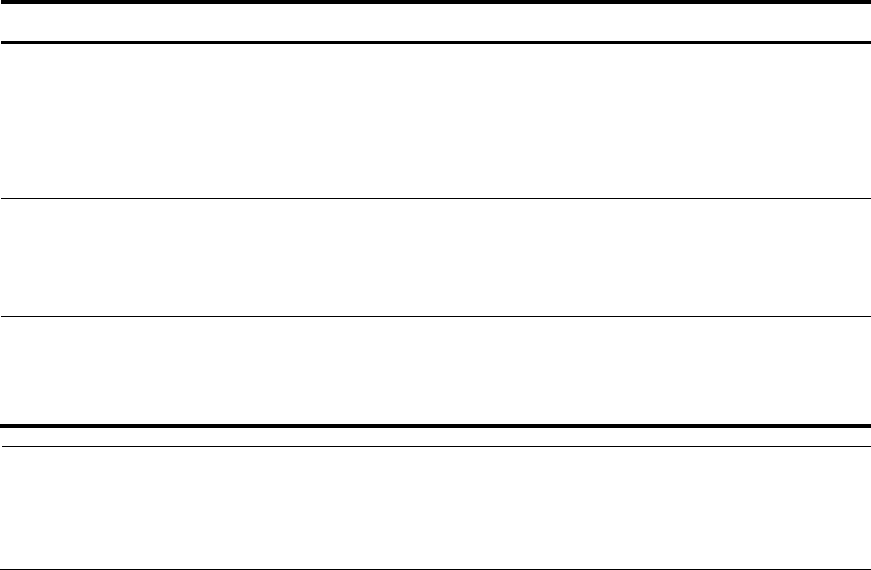
Table 2 Class D IP address blocks and description
Address block Description
224.0.0.0 to 224.0.0.255
Reserved permanent group addresses. The IP address 224.0.0.0 is
reserved. Other IP addresses can be used by routing protocols and
for topology searching, protocol maintenance, and so on. Table 3
lists common permanent group addresses. A packet destined for an
address in this block will not be forwarded beyond the local subnet
regardless of the TTL value in the IP header.
224.0.1.0 to 238.255.255.255
Globally scoped group addresses. This block includes the following
types of designated group addresses:
• 232.0.0.0/8—SSM group addresses.
• 233.0.0.0/8—Glop group addresses.
239.0.0.0 to 239.255.255.255
Administratively scoped multicast addresses. These addresses are
considered locally unique rather than globally unique. You can
reuse them in domains administered by different organizations
without causing conflicts. For more information, see RFC 2365.
NOTE:
"Glop" is a mechanism for assi
g
nin
g
multicast addresses between different ASs. By fillin
g
an AS numbe
r
into the middle two bytes of 233.0.0.0, you get 255 multicast addresses for that AS. For more
information, see RFC 2770.