
R21xx-HP FlexFabric 11900 IP Multicast Configuration Guide
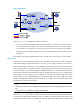
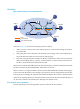

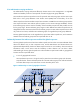
Table Of Contents
- Title Page
- Contents
- Multicast overview
- Configuring IGMP snooping
- Overview
- IGMP snooping configuration task list
- Configuring basic IGMP snooping functions
- Configuring IGMP snooping port functions
- Configuring IGMP snooping policies
- Displaying and maintaining IGMP snooping
- IGMP snooping configuration examples
- Troubleshooting IGMP snooping
- Configuring multicast routing and forwarding
- Configuring IGMP
- Configuring PIM
- Overview
- Configuring PIM-DM
- Configuring PIM-SM
- Configuring common PIM features
- Displaying and maintaining PIM
- PIM configuration examples
- Troubleshooting PIM
- Configuring MLD snooping
- Overview
- MLD snooping configuration task list
- Configuring basic MLD snooping functions
- Configuring MLD snooping port functions
- Configuring MLD snooping policies
- Displaying and maintaining MLD snooping
- MLD snooping configuration examples
- Troubleshooting MLD snooping
- Configuring IPv6 multicast routing and forwarding
- Configuring MLD
- Configuring IPv6 PIM
- PIM overview
- Configuring IPv6 PIM-DM
- Configuring IPv6 PIM-SM
- Configuring common IPv6 PIM features
- Displaying and maintaining IPv6 PIM
- IPv6 PIM configuration examples
- Troubleshooting IPv6 PIM
- Support and other resources
- Index
153
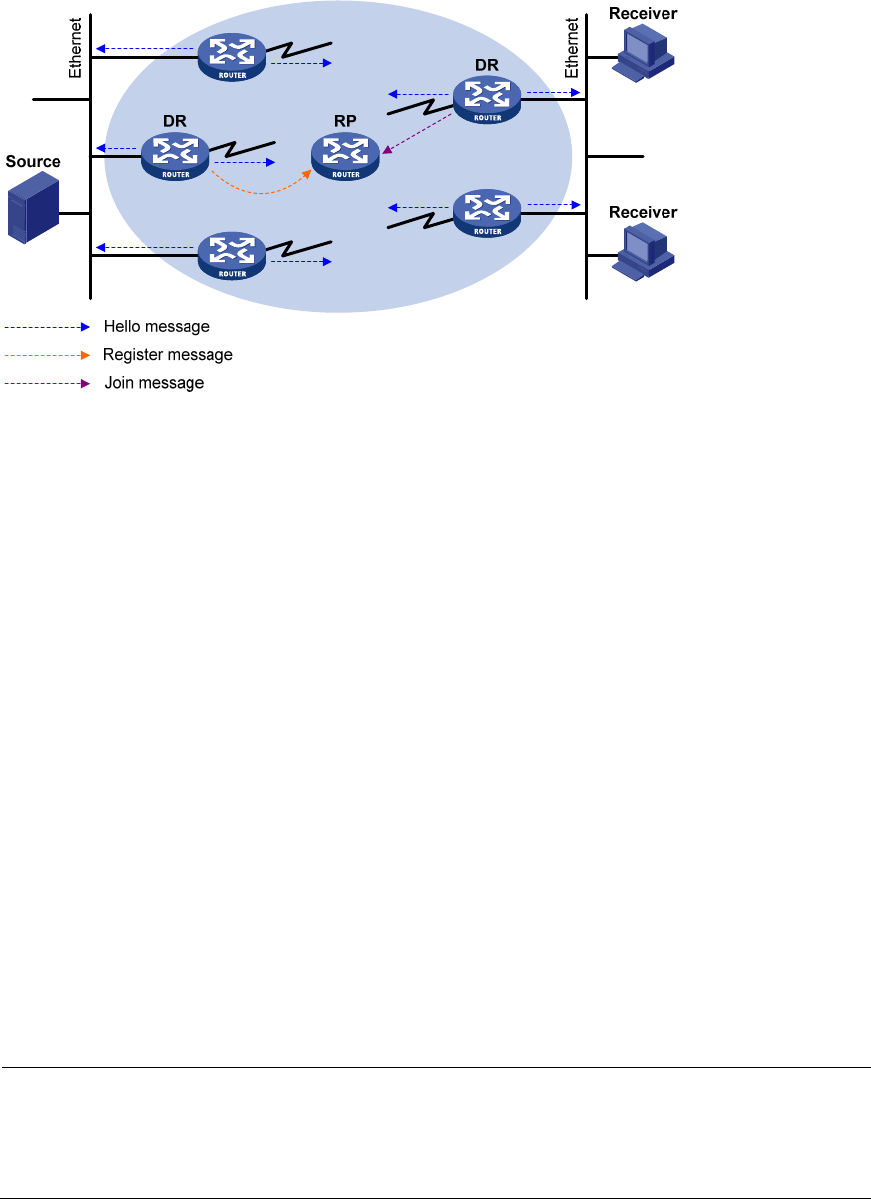
Figure 47 DR election
As shown in Figure 47, the DR election process is as follows:
1. The routers on the shared-media LAN send hello messages to one another. The hello messages
contain the priority for DR election. The router with the highest DR priority is elected as the DR.
2. In the case of a tie in the priority, or if any router in the network does not support carrying the
DR-election priority in hello messages, the router with the highest IPv6 link-local address wins the
DR election.
If the DR fails, its IPv6 PIM neighbor lifetime expires, and the other routers initiate a new DR election.
RP discovery
An RP is the core of an IPv6 PIM-SM domain. For a small-sized, simple network, one RP is enough for
multicast forwarding throughout the network. In this case, you can specify a static RP on each router in
the IPv6 PIM-SM domain. However, in an IPv6 PIM-SM network that covers a wide area, a huge amount
of IPv6 multicast data is forwarded by the RP. To lessen the RP burden and optimize the topological
structure of the RPT, you can configure multiple candidate-RPs (C-RPs) in an IPv6 PIM-SM domain and use
the bootstrap mechanism to dynamically elect RPs. An elected RP provides services for a different IPv6
multicast group. For this purpose, you must configure a bootstrap router (BSR). A BSR serves as the
administrative core of an IPv6 PIM-SM domain. An IPv6 PIM-SM domain has only one BSR, but can have
multiple candidate-BSRs (C-BSRs) so that, if the BSR fails, a new BSR can be automatically elected from
the C-BSRs and avoid service interruption.
NOTE:
• An RP can provide services for multiple IPv6 multicast groups, but an IPv6 multicast group uses only one
RP.
• A device can act as a C-RP and a C-BSR at the same time.
As shown in Figure 48, each C-RP periodically unicasts its advertisement messages (C-RP-Adv messages)
to the BSR. An advertisement message contains the address of the advertising C-RP and the IPv6
multicast group range to which it is designated. The BSR collects these advertisement messages and