
R21xx-HP FlexFabric 11900 IP Multicast Configuration Guide
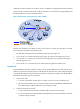
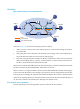

Table Of Contents
- Title Page
- Contents
- Multicast overview
- Configuring IGMP snooping
- Overview
- IGMP snooping configuration task list
- Configuring basic IGMP snooping functions
- Configuring IGMP snooping port functions
- Configuring IGMP snooping policies
- Displaying and maintaining IGMP snooping
- IGMP snooping configuration examples
- Troubleshooting IGMP snooping
- Configuring multicast routing and forwarding
- Configuring IGMP
- Configuring PIM
- Overview
- Configuring PIM-DM
- Configuring PIM-SM
- Configuring common PIM features
- Displaying and maintaining PIM
- PIM configuration examples
- Troubleshooting PIM
- Configuring MLD snooping
- Overview
- MLD snooping configuration task list
- Configuring basic MLD snooping functions
- Configuring MLD snooping port functions
- Configuring MLD snooping policies
- Displaying and maintaining MLD snooping
- MLD snooping configuration examples
- Troubleshooting MLD snooping
- Configuring IPv6 multicast routing and forwarding
- Configuring MLD
- Configuring IPv6 PIM
- PIM overview
- Configuring IPv6 PIM-DM
- Configuring IPv6 PIM-SM
- Configuring common IPv6 PIM features
- Displaying and maintaining IPv6 PIM
- IPv6 PIM configuration examples
- Troubleshooting IPv6 PIM
- Support and other resources
- Index

154
organizes the C-RP information into an RP-set, which is a database of mappings between IPv6 multicast
groups and RPs. The BSR encapsulates the RP-set information in the bootstrap messages (BSMs) and
floods the BSMs to the entire IPv6 PIM-SM domain.
Figure 48 Information exchange between C-RPs and BSR
Based on the information in the RP-set, all routers in the network can select the proper RP for a specific
IPv6 multicast group based on the following rules:
1. The C-RP that is designated to the smallest IPv6 multicast group range wins.
2. In the case of a tie in the IPv6 multicast group range, the C-RP with the highest priority wins.
3. In the case of a tie in the priority, the C-RP with the largest hash value (calculated through the
hashing algorithm) wins.
4. In the case of a tie in the hash value, the C-RP that has the highest IPv6 address wins.
Embedded RP
The embedded RP mechanism enables a router to resolve the RP address from an IPv6 multicast group
address to map the IPv6 multicast group to an RP. This RP can take the place of the configured static RP
or the RP dynamically elected by the bootstrap mechanism. A DR does not need to learn the RP address
beforehand. The specific process is as follows:
• At the receiver side:
a. A receiver host initiates an MLD report to express its interest in an IPv6 multicast group.
b. After receiving the MLD report, the receiver-side DR resolves the RP address embedded in the
IPv6 multicast group address and sends a join message to the RP.
• At the IPv6 multicast source side:
c. The IPv6 multicast source sends IPv6 multicast traffic to an IPv6 multicast group.
d. The source-side DR resolves the RP address embedded in the IPv6 multicast address, and sends
a register message to the RP.