
R21xx-HP FlexFabric 11900 IP Multicast Configuration Guide
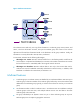

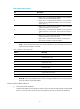
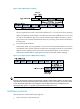
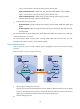
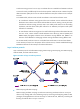
Table Of Contents
- Title Page
- Contents
- Multicast overview
- Configuring IGMP snooping
- Overview
- IGMP snooping configuration task list
- Configuring basic IGMP snooping functions
- Configuring IGMP snooping port functions
- Configuring IGMP snooping policies
- Displaying and maintaining IGMP snooping
- IGMP snooping configuration examples
- Troubleshooting IGMP snooping
- Configuring multicast routing and forwarding
- Configuring IGMP
- Configuring PIM
- Overview
- Configuring PIM-DM
- Configuring PIM-SM
- Configuring common PIM features
- Displaying and maintaining PIM
- PIM configuration examples
- Troubleshooting PIM
- Configuring MLD snooping
- Overview
- MLD snooping configuration task list
- Configuring basic MLD snooping functions
- Configuring MLD snooping port functions
- Configuring MLD snooping policies
- Displaying and maintaining MLD snooping
- MLD snooping configuration examples
- Troubleshooting MLD snooping
- Configuring IPv6 multicast routing and forwarding
- Configuring MLD
- Configuring IPv6 PIM
- PIM overview
- Configuring IPv6 PIM-DM
- Configuring IPv6 PIM-SM
- Configuring common IPv6 PIM features
- Displaying and maintaining IPv6 PIM
- IPv6 PIM configuration examples
- Troubleshooting IPv6 PIM
- Support and other resources
- Index
11
A multicast routing protocol runs on Layer 3 multicast devices to establish and maintain multicast
routes and correctly and efficiently forward multicast packets. Multicast routes constitute loop-free
data transmission paths (also known as multicast distribution trees) from a data source to multiple
receivers.
In the ASM model, multicast routes include intra-domain routes and inter-domain routes.
{ An intra-domain multicast routing protocol discovers multicast sources and builds multicast
distribution trees within an AS to deliver multicast data to receivers. Among a variety of mature
intra-domain multicast routing protocols, PIM is most widely used. Based on the forwarding
mechanism, PIM has dense mode (often referred to as "PIM-DM") and sparse mode (often
referred to as "PIM-SM").
{ An inter-domain multicast routing protocol is used for delivering multicast information between
two ASs. So far, mature solutions include Multicast Source Discovery Protocol (MSDP) and
MBGP. MSDP propagates multicast source information among different ASs. MBGP is an
extension of the MP-BGP for exchanging multicast routing information among different ASs.
For the SSM model, multicast routes are not divided into intra-domain routes and inter-domain
routes. Because receivers know the position of the multicast source, channels established through
PIM-SM are sufficient for the transport of multicast information.
Layer 2 multicast protocols
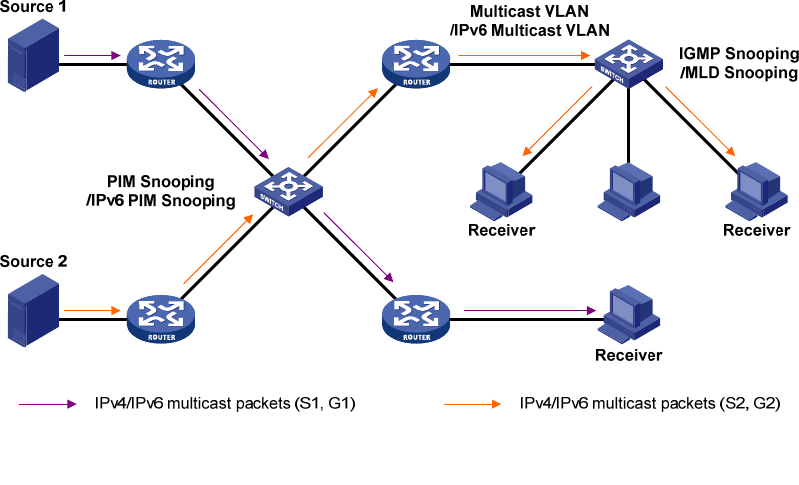
Layer 2 multicast protocols include IGMP snooping, MLD snooping, PIM snooping, IPv6 PIM snooping,
multicast VLAN, and IPv6 multicast VLAN.
Figure 9 Positions of Layer 2 multicast protocols
• IGMP snooping and MLD snooping:
IGMP snooping and MLD snooping are multicast constraining mechanisms that run on Layer 2
devices. They manage and control multicast groups by monitoring and analyzing IGMP or MLD
messages exchanged between the hosts and Layer 3 multicast devices, effectively controlling the
flooding of multicast data in a Layer 2 network.