
R21xx-HP FlexFabric 11900 IP Multicast Configuration Guide

Table Of Contents
- Title Page
- Contents
- Multicast overview
- Configuring IGMP snooping
- Overview
- IGMP snooping configuration task list
- Configuring basic IGMP snooping functions
- Configuring IGMP snooping port functions
- Configuring IGMP snooping policies
- Displaying and maintaining IGMP snooping
- IGMP snooping configuration examples
- Troubleshooting IGMP snooping
- Configuring multicast routing and forwarding
- Configuring IGMP
- Configuring PIM
- Overview
- Configuring PIM-DM
- Configuring PIM-SM
- Configuring common PIM features
- Displaying and maintaining PIM
- PIM configuration examples
- Troubleshooting PIM
- Configuring MLD snooping
- Overview
- MLD snooping configuration task list
- Configuring basic MLD snooping functions
- Configuring MLD snooping port functions
- Configuring MLD snooping policies
- Displaying and maintaining MLD snooping
- MLD snooping configuration examples
- Troubleshooting MLD snooping
- Configuring IPv6 multicast routing and forwarding
- Configuring MLD
- Configuring IPv6 PIM
- PIM overview
- Configuring IPv6 PIM-DM
- Configuring IPv6 PIM-SM
- Configuring common IPv6 PIM features
- Displaying and maintaining IPv6 PIM
- IPv6 PIM configuration examples
- Troubleshooting IPv6 PIM
- Support and other resources
- Index
86
a prune message. If the prune message delay or override interval on different PIM routers on a
shared-media LAN are different, the largest value takes effect.
A router does not immediately prune an interface after it receives a prune message from the
interface. Instead, it starts a timer (the prune message delay plus the override interval). If interface
receives a join message before the override interval expires, the router does not prune the
interface. Otherwise, the router prunes the interface when the timer (the prune message delay plus
the override interval) expires.
You can enable the neighbor tracking function (or disable the join message suppression function)
on an upstream router to track the states of the downstream nodes that have sent the join message
and the joined state holdtime timer has not expired. If you want to enable the neighbor tracking
function, you must enable it on all PIM routers on a shared-media LAN. Otherwise, the upstream
router cannot track join messages from every downstream routers.
• Generation ID—A router generates a generation ID for hello messages when an interface is
enabled with PIM. The generation ID is a random value, but only changes when the status of the
router changes. If a PIM router finds that the generation ID in a hello message from the upstream
router has changed, it assumes that the status of the upstream router has changed. In this case, it
sends a join message to the upstream router for status update. You can configure an interface to
drop hello messages without the generation ID options to promptly know the status of an upstream
router.
You can configure hello message options in PIM view or interface view. The configurations made in PIM
view are effective on all interfaces and the configurations made in interface view are effective on only the
current interface. If you configure hello message options in both PIM view and interface view, the
configuration in interface view always takes precedence.
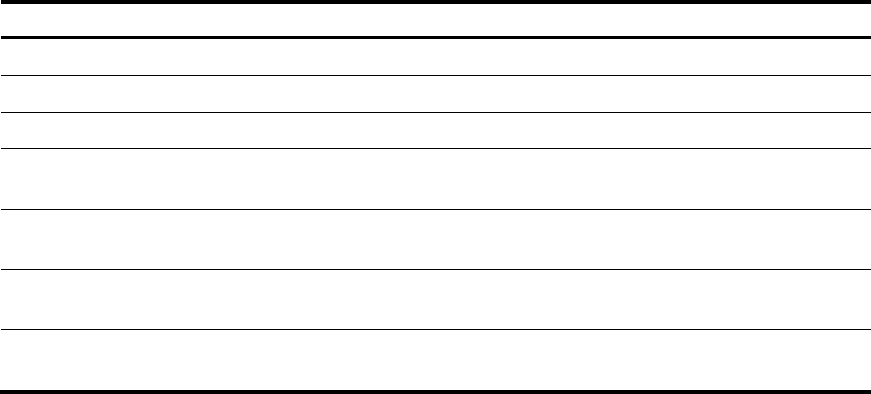
Configuring hello message options globally
Ste
p
Command Remarks
1. Enter system view.
system-view
N/A
2. Enter PIM view.
pim N/A
3. Set the DR priority.
hello-option dr-priority priority By default, the DR priority is 1.
4. Set the neighbor lifetime.
hello-option holdtime time
By default, the neighbor lifetime is
105 seconds.
5. Set the prune message delay.
hello-option lan-delay delay
By default, the prune message
delay is 500 milliseconds.
6. Set the override interval.
hello-option override-interval
interval
By default, the override interval is
2500 milliseconds.
7. Enable the neighbor tracking
function.
hello-option neighbor-tracking
By default, the neighbor tracking
function is disabled.