
R21xx-HP FlexFabric 11900 IP Multicast Configuration Guide
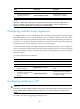
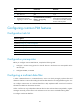
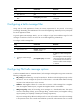
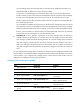

Table Of Contents
- Title Page
- Contents
- Multicast overview
- Configuring IGMP snooping
- Overview
- IGMP snooping configuration task list
- Configuring basic IGMP snooping functions
- Configuring IGMP snooping port functions
- Configuring IGMP snooping policies
- Displaying and maintaining IGMP snooping
- IGMP snooping configuration examples
- Troubleshooting IGMP snooping
- Configuring multicast routing and forwarding
- Configuring IGMP
- Configuring PIM
- Overview
- Configuring PIM-DM
- Configuring PIM-SM
- Configuring common PIM features
- Displaying and maintaining PIM
- PIM configuration examples
- Troubleshooting PIM
- Configuring MLD snooping
- Overview
- MLD snooping configuration task list
- Configuring basic MLD snooping functions
- Configuring MLD snooping port functions
- Configuring MLD snooping policies
- Displaying and maintaining MLD snooping
- MLD snooping configuration examples
- Troubleshooting MLD snooping
- Configuring IPv6 multicast routing and forwarding
- Configuring MLD
- Configuring IPv6 PIM
- PIM overview
- Configuring IPv6 PIM-DM
- Configuring IPv6 PIM-SM
- Configuring common IPv6 PIM features
- Displaying and maintaining IPv6 PIM
- IPv6 PIM configuration examples
- Troubleshooting IPv6 PIM
- Support and other resources
- Index
89
Ste
p
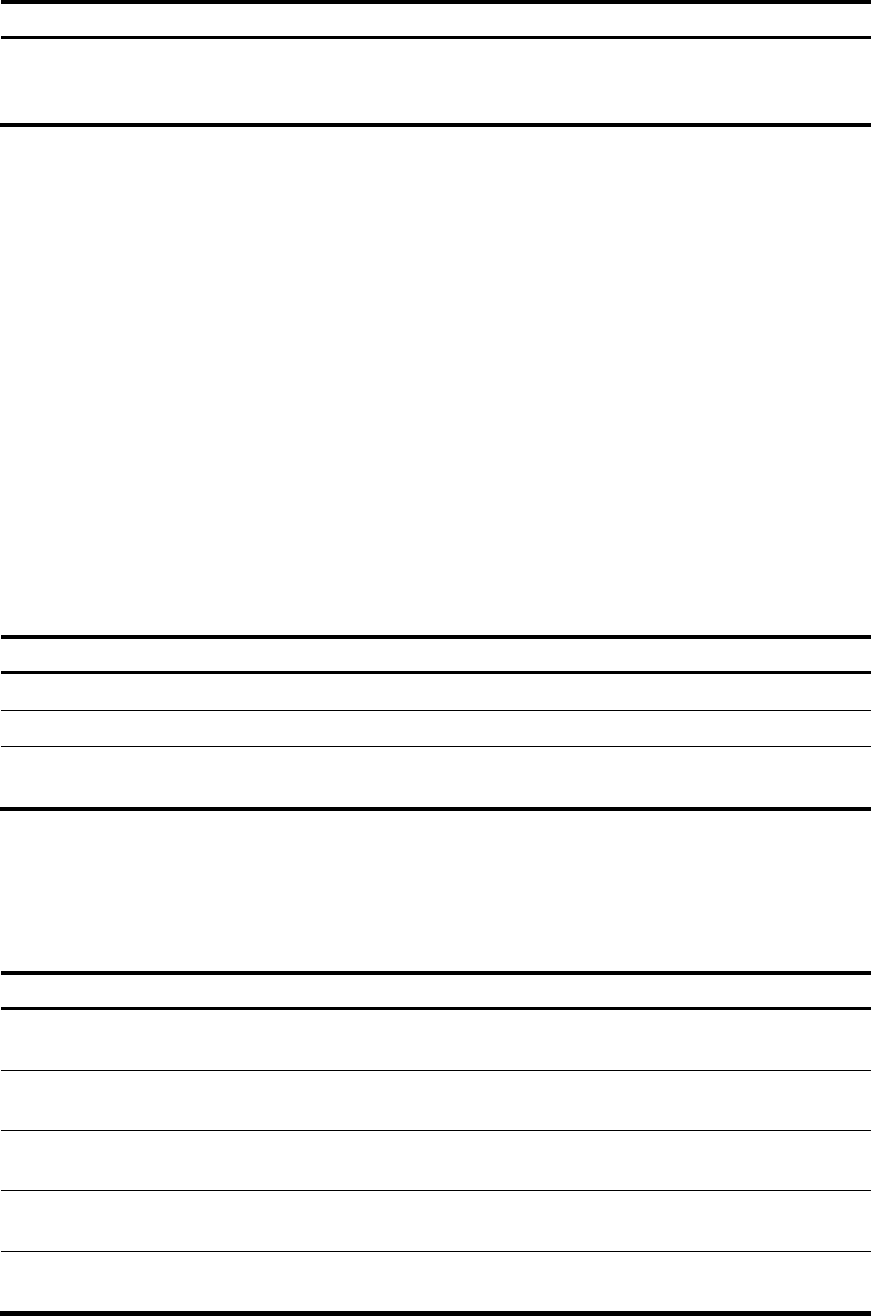
Command Remarks
3. Set the maximum size of each
join or prune message.
jp-pkt-size size
By default, the maximum size of a
join or prune message is 8100
bytes.
Enabling PIM to work with BFD
PIM uses hello messages to elect a DR for a shared-media network. The elected DR is the only multicast
forwarder on the shared-media network.
If the DR fails, a new DR election process will start after the DR is aged out. However, it might take a long
period of time before detecting the link failures among the PIM neighbors and starting a new DR election
process. To start a new DR election process immediately after the original DR fails, enable PIM to work
with BFD on a shared-media network to detect failures of the links among PIM neighbors. You must
enable PIM to work with BFD on all PIM-capable routers on a shared-media network, so that the PIM
neighbors can fast detect DR failures and start a new DR election process. For more information about
BFD, see High Availability Configuration Guide.
Before you configure this feature on an interface, be sure to enable PIM-DM or PIM-SM on the interface.
To enable PIM to work with BFD:
Ste
p
Command
Remarks
1. Enter system view.
system-view N/A
2. Enter interface view.
interface interface-type interface-number N/A
3. Enable PIM to work
with BFD.
pim bfd enable
By default, PIM is disabled to
work with BFD.
Displaying and maintaining PIM
Execute display commands in any view and reset commands in user view.
Task Command
Display BSR information in the
PIM-SM domain.
display pim bsr-info
Display information about the
routes used by PIM.
display pim claimed-route [ source-address ]
Display C-RP information in the
PIM-SM domain.
display pim c-rp [ local ]
Display PIM information on an
interface.
display pim interface [ interface-type interface-number ] [ verbose ]
Display PIM neighbor information.
display pim neighbor [ neighbor-address | interface interface-type
interface-number | verbose ] *