
TCP Segmentation Offload (TSO) Performance On HP rp4440 Servers Using PCI-X 2-Port Gigabit Ethernet Cards


Service Demand: Less = More
6
Service Demand: Less = More
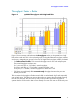
Figure 2 rp4440 Service Demand with GigE and TSO
Figure 2 shows Service Demand results on the rp4440 over GigE both without and with
TSO. Service Demand is the amount of time it takes one CPU to handle one kilobyte of
data. In this test, the lower the number, the better!
• For transmit only traffic, TSO reduces Service Demand an average of 47%. The
actual Service Demand savings are:
for 1 port with TSO on, 47% less Service Demand,
for 2-ports with TSO on, 47% less Service Demand, and
for 4 ports, 46% less Service Demand than when TSO is off!
• For bidirectional traffic, TSO reduces Service Demand an average of 27%. The
actual Service Demand savings are:
for 1 port with TSO on, 24% less Service Demand,
for 2-ports with TSO on, 30% less Service Demand, and
for 4 ports, 26% less Service Demand than when TSO is off!
TSO reduces the amount of load or service demand on the CPU thereby allowing it to work
more efficiently. This makes more CPU available for either the same or other kinds of work.