
XenServer Administrator's Guide 4.1.0

Command line interface
70
another XenServer Host in the pool. Each XenServer Host is really a pool consisting of a single member
by default. When a XenServer Host is joined to a pool, it is designated as a member, and the pool it has
joined becomes the master for the pool.
The singleton pool object can be listed with the standard object listing command (xe pool-list), and its
parameters manipulated with the standard parameter commands. See Section 5.3.2, “Low-level param
commands” for details.
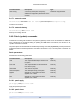
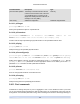
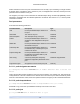
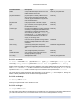
Pool parameters
Pools have the following parameters:
Parameter Name Description Type
uuid the unique identifier/object reference for
the pool
read only
name-label The name of the pool read/write
name-description The description string of the pool read/write
master the unique identifier/object reference of
XenServer Host designated as the pool's
master
read only
default-SR the unique identifier/object reference of the
default SR for the pool
read/write
crash-dump-SR the unique identifier/object reference of
the SR where any crash dumps for pool
members are saved
read/write
suspend-image-SR the unique identifier/object reference of
the SR where suspended VMs on pool
members are saved
read/write
other-config A list of key/value pairs that specify
additional configuration parameters for the
pool
read/write map parameter
supported-sr-types SR types that can be used by this pool read only
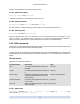
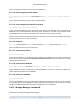
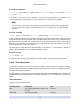
5.4.11.1. pool-designate-new-master
pool-designate-new-master host-uuid=UUID of member XenServer Host to become new
master
Instruct the specified member XenServer Host to become the master of an existing pool. This performs an
orderly handover of the role of master host to another host in the resource pool. This command only works
when the current master is online, and is not a replacement for the emergency mode commands listed below.
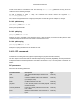
5.4.11.2. pool-dump-database
pool-dump-database file-name=filename to dump database into (on client)
Download a copy of the entire pool database and dump it into a file on the client.
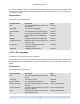
5.4.11.3. pool-eject
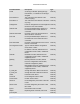
pool-eject host-uuid=UUID of XenServer Host to eject