
XenServer Administrator's Guide 4.1.0

Command line interface
80
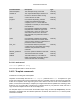
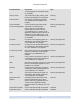
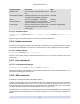
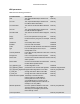
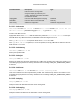
Parameter Name Description Type
possible-hosts list of hosts that could potentially host the
VM
read only
HVM-shadow-multiplier multiplier applied to the amount of shadow
that will be made available to the guest
read/write
dom-id domain ID (if available, -1 otherwise) read only
recommendations An XML specification of recommended
values and ranges for properties of this VM
read only
xenstore-data data to be inserted into the xenstore tree (/
local/domain/<domid>/vm-data) after the
VM is created.
read/write map parameter
5.4.15.1. template-export
template-export template-uuid=UUID of existing template filename=filename for new
template
Exports a copy of a specified template to a file with the specified new filename.
5.4.16. Update commands
Commands for working with updates to the OEM edition of XenServer. For commands relating to updating
the standard non-OEM editions of XenServer, see Section 5.4.8, “Patch (update) commands” for details.
5.4.16.1. update-upload
update-upload file-name=name of upload file
Streams a new software image to a OEM edition XenServer Host. You must then restart the host for this
to take effect.
5.4.17. User commands
5.4.17.1. user-password-change
user-password-change old=old_password new=new_password
Changes the logged-in user's password. The old password field is not currently checked because you re-
quire supervisor privilege to make this call.
5.4.18. VBD commands
Commands for working with VBDs (Virtual Block Devices).
A VBD is a software object that connects a VM to the VDI, which represents the contents of the virtual disk.
The VBD has the attributes which tie the VDI to the VM (is it bootable, its read/write metrics, and so on),
while the VDI has the information on the physical attributes of the virtual disk (which type of SR, whether
the disk is shareable, whether the media is read/write or read only, and so on).
The VBD objects can be listed with the standard object listing command (xe vbd-list), and the parameters
manipulated with the standard parameter commands. See Section 5.3.2, “Low-level param commands” for
details.