
Intel Desktop Board DG451D Specification Update


8 Intel Desktop Board DG45ID Specification Update
2.6 Thermal Considerations
CAUTION
A chassis with a maximum internal ambient temperature of 38
o
C at the processor fan
inlet is a requirement. Intel recommends the use of a Thermally Advantaged Chassis
(TAC) for this desktop board. Use a processor heat sink that provides omni-directional
airflow to maintain required airflow across the processor voltage regulator area. For a
list of Thermally Advantaged Chassis (TAC) please refer to the following website:
http://www.intel.com/go/chassis
3. Changes were made to the Thermal Considerations for Components table, as well
as lead-in text and a new table, Tcontrol Values for Components in Section 2.6
Thermal Considerations.
Table 33 provides maximum case temperatures for the board components that are
sensitive to thermal changes. The operating temperature, current load, or operating
frequency could affect case temperatures. Maximum case temperatures are important
when considering proper airflow to cool the board.
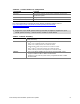
Table 33. Thermal Considerations for Components
Component Maximum Case Temperature
Processor For processor case temperature, see processor datasheets and
processor specification updates
Intel G45 Express Chipset 103
o
C
Intel 82801JIR (ICH10R) 107
o
C
To ensure functionality and reliability, the component is specified for proper operation
when Case Temperature is maintained at or below the maximum temperature listed in
Table 33. This is a requirement for sustained power dissipation equal to Thermal
Design Power (TDP is specified as the maximum sustainable power to be dissipated by
the components). When the component is dissipating less than TDP, the case
temperature should be below the Maximum Case Temperature. The surface
temperature at the geometric center of the component corresponds to Case
Temperature.
It is important to note that the temperature measurement in the system BIOS is a
value reported by embedded thermal sensors in the components and does not directly
correspond to the Maximum Case Temperature. Intel
®
Quiet System Technology
(Intel
®
QST) monitors the embedded thermal sensor for system fan speed control. The
upper operating limit when monitoring this thermal sensor is Tcontrol.