
User Manual
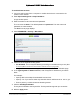

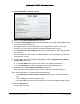
Table Of Contents
- User Manual
- Contents
- 1 Hardware Setup
- 2 Connect to the Network and Access the Modem Router
- 3 Specify Your Internet Settings
- 4 Control Access to the Internet
- 5 Share USB Devices Attached to the Modem Router
- USB Storage Device Requirements
- Connect a USB Storage Device to the Modem Router
- Access a USB Drive Connected to the Modem Router From a Windows Computer
- Map a USB Device to a Windows Network Drive
- Access a USB Storage Device That Is Connected to the Modem Router From a Mac
- Control Access to the USB Storage Device
- Use FTP Within the Network
- View or Change Network Folders on a USB Storage Device
- Add a Network Folder on a USB storage device
- Edit a Network Folder on a USB storage device
- Approve USB Devices
- Access the USB storage device Through the Internet
- Safely Remove a USB storage device
- 6 Share a USB Printer
- 7 Specify Network Settings
- View WAN Settings
- Set Up a Default DMZ Server
- Change the Modem Router’s Device Name
- Change the LAN TCP/IP Settings
- Specify the IP Addresses That the Modem Router Assigns
- Disable the DHCP Server Feature in the Modem Router
- Reserve LAN IP Addresses
- Improve Network Connections With Universal Plug and Play
- Use the WPS Wizard for WiFi Connections
- Specify Basic WiFi Settings
- Change the WiFi Security Option
- Set Up a Guest Network
- Control the Wireless Radios
- Set Up a Wireless Schedule
- Specify WPS Settings
- 8 Manage Your Network
- Change the Admin Password
- Set Up Password Recovery
- Recover the admin Password
- View Modem Router Status
- View Logs of Modem Router Activity
- View Event Logs
- Run the Ping Utility
- Run the Traceroute Utility
- Monitor Internet Traffic
- View Devices Currently on the Network
- Manage the Modem Router Configuration File
- View Wireless Access Points in Your Area
- View or Change the Modem Router Wireless Channel
- Dynamic DNS
- Remote Management
- 9 Specify Internet Port Settings
- 10 Troubleshooting
- A Supplemental Information

Nighthawk AC1900 WiFi Cable Modem Router
Control Access to the Internet User Manual40
4. Select ADVANCED > Security > E-mail.
5. Select the Turn Email Notification On check box.
6. In
the Your Outgoing Mail Server field, enter the name of your ISP outgoing (SMTP) mail
server (such as mail.myISP.com).
You might be able to find this information in th
e configuration window of your email
program. If you leave this field blank, log and alert messages are not sent.
7. In
the Send to This E-mail Address field, type the email address to which logs and alerts
are to be sent.
This email address is also used for the From add
ress. If this field is blank, log and alert
messages are not sent.
8. If
your outgoing email server requires authentication, select the My Mail Server requires
authentication check box.
a. In the
User Name field, type the user name for the outgoing email server.
b. In the Password field,
type the password for the outgoing email server.
9. (Opt
ional) Select the Send Alerts Immediately check box.
Email alerts are sent immediately when someone a
ttempts to visit a blocked site.
10. T
o send logs based on a schedule, specify these settings:
• From Send logs
according to this schedule drop-down list, select the schedule
type.
• From the Day
drop-down list, select the day.
• From the Ti
me drop-down list, select the time, and select the am or pm radio button.
11. Click the Appl
y button.
Your settings are saved.