
Installation Manual User guide

ULTRA ADVANTAGE SERVO ROLL FEED 6/ 3/2002
7
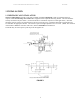
1.4 LOADING THE FEED
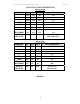
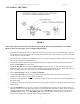
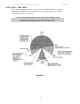
FIGURE 3
Prior to this step, the electrical control must be powered up and all needed parameters are loaded.
(Refer to the Ultra Advantage Servo Feed Operating Manual.)
1. Adjust the roll clamping force by pre-loading the two die springs located on top of the feed housing. Normal
setting for the roll force spring pre-load is two full turns clockwise from finger tight (factory preset). Be sure to
use the jam nut to lock the setting.
2. Open the feed rolls by pulling on the Roll Release Lever. Insert the material through the feed rolls and close the
feed rolls by releasing the Roll Release Lever.
3. Adjust for the material thickness using the Material Thickness Adjustment Cam and Adjustable Lock Screw.
Refer to the FIGURE 3 for proper setting.
4. The Servo Pilot Release comes with the Release Angle parameter set for 15
0
. Open rolls using jog pendant
Open/Close switch and verify if this angle provides appropriate roll opening for material release and adjust it if
necessary. (Refer to the Ultra Advantage Servo Feed Operating Manual.) Close rolls.
5. Put the Ultra Advantage control into “MANUAL MODE”.
6. Using the Jog Forward button on the jog pendant, advance the material up to the entrance of the die (far
enough where the punches would not
pierce the material).
7. Check the vertical alignment of the strip. If necessary, adjust the pass line of the feeder so that the material is at
the proper height.
8. Assuming that the press shut height and the tool are set up properly, jog the press one or two strokes without the
feed working.
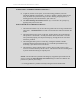
9. Open the Pilot Release screen of your previously created Tool program. Jog the press down slowly observing
when the longest pilot would engage the pilot hole in the material if the material were there. (Refer to Figure 4.)
Note the press positional readout (on the right top corner of Pilot Release screen) and put this setting for the
‘Pilot Release On’ setting. The ‘Pilot Release Off’ setting, in most cases, should be 180º. (See Figure 5.)
Some drawing applications require the rolls to remain open past 180º.