
User guide
3
intelligently.
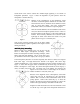
1. The SF-12 is a side-address, bi-directional microphone and the rejection in the “dead”
areas is very strong. Due to this directionality, ribbon microphones should be placed at
1.3 times the distance normally used with omni-directional microphones, or about the
same distance used for cardioid microphones. This method is used to achieve the same
ratio of direct to reflected sound.
2. In the horizontal plane, ribbon microphones do not discriminate against the “highs” off
axis, nor do they boost them on axis. Therefore, several instruments or vocalists can be
placed in front of the microphone without favoring the performer in the center of the
group.
Several performers can be grouped at both the front and the back of the microphone, with
one proviso; since the outputs are out of phase at the front and back of the microphone,
cancellation can result if two tenors are placed on opposite sides at equal distances and
are singing in unison. Therefore, listen to the feed before committing to it.
3. The Royer model SF-12 requires no power supply and is safe to use on consoles with
phantom microphone powering, provided that the cabling is done properly. It should be
noted that not all ribbon microphones are compatible with phantom-powering systems,
so check the manufacturer’s recommendations before using other ribbon microphones.
Faulty or improperly wired cables could also cause problems with your SF-12.
4. Never attempt to “test” the SF-12 or any ribbon microphone with an ohmmeter. A
blown ribbon could result.
5. Always provide adequate protection for your SF-12, or any ribbon microphone for
that matter. If the microphone is to remain set up on a stand when not in use, place a
“mic sock” over it until it is to be used. Do not carry the microphone around without
placing a “mic sock” over it. Failure to follow this common-sense practice may yield a
stretched ribbon and compromised performance!
AA
AA
mm
mm
pp
pp
ll
ll
ii
ii
ff
ff
ii
ii
cc
cc
aa
aa
tt
tt
ii
ii
oo
oo
nn
nn
CC
CC
oo
oo
nn
nn
ss
ss
ii
ii
dd
dd
ee
ee
rr
rr
aa
aa
tt
tt
ii
ii
oo
oo
nn
nn
ss
ss
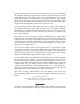
The performance of a ribbon microphone is directly affected by the choice of microphone
preamplifier it is paired with. With so many mic preamps on the market, how do you
select one that gives the best possible performance with a ribbon microphone?
Additionally, what kind of performance can we expect from the preamplifiers built into
our mixing desks? While most preamplifiers will handle ribbon microphones well in most
recording situations, some preamps that work perfectly well with condenser or dynamic
mics may prove to be poor performers with ribbons.
To begin with, we must understand the fundamental differences between ribbon
microphones and other popular types, namely condenser and moving coil dynamics. A
ribbon microphone is actually a dynamic microphone that uses a flat, extremely low mass
ribbon element, rather than a coil/diaphragm assembly. For this writing, any mention of